Vinyl siding is one of the most common exterior materials used on homes because it is durable, affordable, and relatively easy to maintain. It does not require the same level of upkeep as wood siding, and it can hold up well against rain, wind, sun exposure, and changing temperatures. However, even the best vinyl siding can start to look faded, outdated, or worn over time. When that happens, many homeowners begin asking the same question: Can You Paint Vinyl Siding?
The answer is yes, vinyl siding can be painted, but it has to be done the right way. Painting vinyl siding is not the same as painting wood, fiber cement, brick, or drywall. Vinyl expands and contracts with temperature changes, and it reacts differently to heat and sunlight depending on the color and type of paint used. If the wrong paint, color, or preparation method is used, the siding can warp, peel, crack, or lose its clean appearance faster than expected.
For homeowners who want to refresh their exterior without replacing the siding completely, painting may be a practical option. It can improve curb appeal, help update an older color scheme, and extend the visual life of the home’s exterior. However, it is important to understand when painting vinyl siding makes sense, when replacement may be the better choice, and what steps are necessary to get a lasting finish.
Why Homeowners Consider Painting Vinyl Siding
Many homeowners consider painting vinyl siding because their home still has structurally sound siding, but the color no longer looks fresh. Vinyl siding can fade after years of sun exposure, especially on sides of the house that receive direct sunlight for much of the day. Colors that once looked rich and clean may begin to appear dull, chalky, or uneven.
In other cases, the siding color may simply feel outdated. A home built twenty or thirty years ago may have siding in a color that no longer matches modern exterior design preferences. Rather than replacing all of the siding, homeowners may look into painting as a way to modernize the appearance of the home at a lower cost.
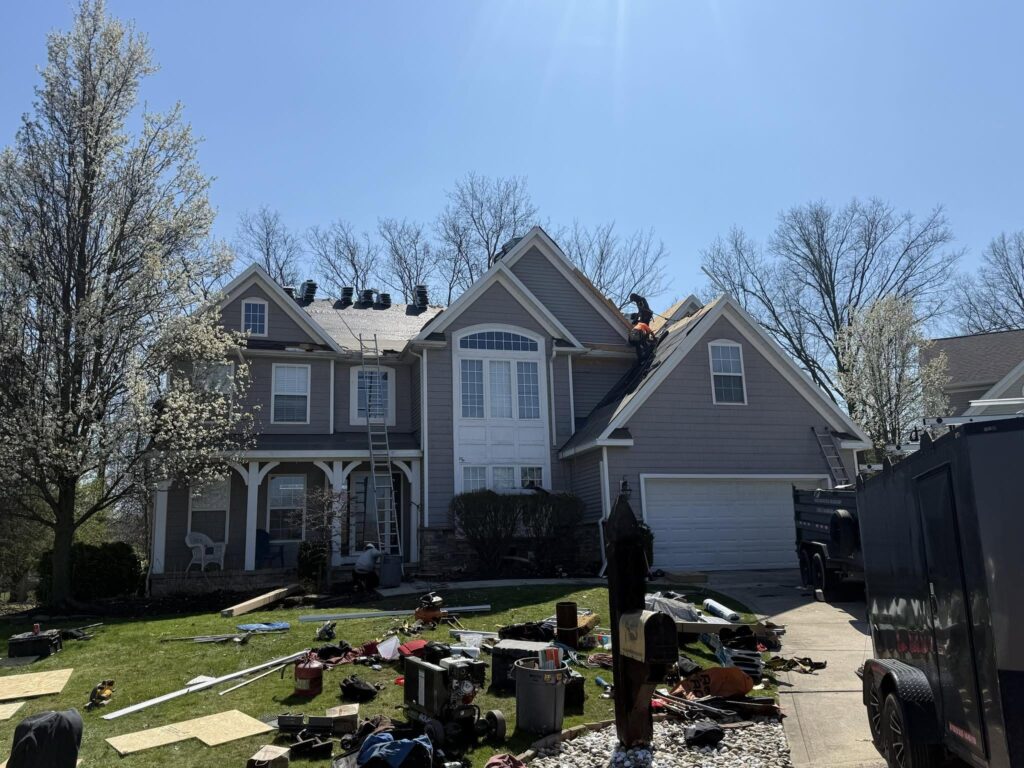
Painting can also be appealing when other exterior updates are being made. If a homeowner is replacing the roof, gutters, windows, shutters, trim, or front door, the original siding color may no longer fit with the updated design. A fresh coat of paint can help tie the exterior together and create a more intentional look.
Another reason homeowners ask Can You Paint Vinyl Siding is because replacement can be expensive. Full siding replacement involves removing the existing material, purchasing new siding, installing it properly, and often addressing trim or exterior details at the same time. Painting is usually less expensive, although it still requires proper materials, labor, and preparation to be done correctly.
When Painting Vinyl Siding Makes Sense
Painting vinyl siding makes the most sense when the siding is still in good physical condition. If the panels are secure, free from major cracks, not severely warped, and not allowing moisture behind them, painting can be a reasonable way to improve the home’s appearance.
The best candidates for painting are homes where the siding has cosmetic issues rather than structural problems. Fading, discoloration, minor staining, and an outdated color are all reasons a homeowner might choose paint instead of replacement. If the siding still protects the home properly, a quality exterior paint job can make it look newer and cleaner.
It is also important that the siding is not too brittle. Older vinyl siding can become fragile after many years of exposure to sun and weather. If the panels crack easily when touched or moved, painting may not solve the bigger issue. In that case, replacement may be more practical because the siding may continue to fail even after it looks better on the surface.
Homeowners should also consider how long they plan to stay in the home. If the goal is to improve curb appeal before selling, painting may be a smart investment. If the homeowner plans to stay for many years and the siding is near the end of its lifespan, replacement may provide better long-term value.
When You Should Not Paint Vinyl Siding
Although the answer to Can You Paint Vinyl Siding is usually yes, there are situations where painting is not the best decision. Paint cannot fix damaged siding, poor installation, moisture issues, or panels that are already failing. If the siding has widespread cracks, loose sections, severe warping, or signs of water getting behind it, those problems should be addressed before paint is considered.
Painting over damaged siding may temporarily improve the appearance, but it will not correct the underlying issue. Moisture trapped behind siding can lead to mold, rot, insulation damage, or problems with the exterior wall system. In those cases, painting could hide the warning signs instead of solving the problem.
It may also be a bad idea to paint vinyl siding if the homeowner wants to dramatically darken the color. Dark colors absorb more heat than lighter colors. Since vinyl is sensitive to temperature, painting it too dark can increase the risk of warping. Some paint manufacturers offer vinyl-safe colors that are designed to reduce this risk, but color selection still needs to be handled carefully.
Another concern is warranty coverage. Some siding manufacturers may void or limit warranties if the siding is painted. Before painting, homeowners should check the original siding warranty if it is still active. If the warranty is important, it may be worth confirming whether painting is allowed and whether specific paint products are required.
Choosing the Right Paint for Vinyl Siding
The paint used on vinyl siding matters just as much as the preparation. Not every exterior paint is suitable for vinyl. The paint needs to be flexible enough to move with the siding as it expands and contracts. Vinyl siding shifts slightly as temperatures rise and fall, and a rigid paint can crack or peel when the material moves.
High-quality exterior acrylic paint is commonly used for vinyl siding because it offers flexibility, adhesion, and durability. In many cases, paint labeled as vinyl-safe is the best option. These paints are designed to bond properly to vinyl and help reduce the risk of heat-related problems.
Color choice is also extremely important. A common rule is to choose a color that is the same shade or lighter than the original siding color. Going darker may create heat absorption issues, depending on the paint product and the siding manufacturer’s guidelines. Modern vinyl-safe paints may allow for deeper colors than older products, but homeowners should still be cautious.
The finish also matters. A satin or low-luster finish is often preferred for siding because it provides a clean appearance without looking overly shiny. It can also help hide minor imperfections better than a high-gloss finish. The goal is to create a smooth, attractive exterior that looks natural on the home.
Preparing Vinyl Siding Before Painting
Preparation is one of the most important parts of painting vinyl siding. Paint will not adhere well to dirt, mildew, chalky residue, pollen, or old grime. Even if the siding looks fairly clean from a distance, it may have a thin layer of buildup that prevents the paint from bonding properly.
The siding should be washed thoroughly before painting. This often involves using a cleaning solution that removes dirt, mildew, and surface contaminants. A pressure washer may be used carefully, but too much pressure can force water behind the siding or damage the panels. The goal is to clean the surface without causing new problems.
After washing, the siding must dry completely. Painting over damp siding can trap moisture and affect adhesion. Depending on the weather, drying may take longer than expected, especially in shaded areas or areas with poor airflow.
Any damaged sections should be repaired before painting begins. Loose panels should be secured, cracked pieces should be replaced, and gaps around trim or openings should be inspected. Painting should be treated as part of a larger exterior maintenance process, not just a surface-level color change.
The Best Weather for Painting Vinyl Siding
Weather plays a major role in how well paint performs on vinyl siding. The ideal painting conditions are mild, dry, and overcast. Direct sunlight can cause paint to dry too quickly, which may lead to uneven coverage, lap marks, or poor adhesion. Extremely hot weather can also make the siding expand, affecting how the paint cures.
Cold weather can create problems as well. If temperatures are too low, paint may not dry or cure properly. Many exterior paints have a minimum application temperature listed by the manufacturer. Homeowners should follow those guidelines carefully.
Humidity is another factor. High humidity can slow drying time and affect the final finish. Rain shortly after painting can also damage the coating before it has time to set. A proper painting schedule should account for both current weather and the forecast for the next day or two.
This is one reason professional exterior painting often requires planning. The surface must be clean and dry, the weather must be suitable, and the paint must be applied under conditions that allow it to cure correctly.
How Long Painted Vinyl Siding Lasts
Painted vinyl siding can last for many years when it is prepared and painted correctly. The exact lifespan depends on the quality of the paint, the condition of the siding, the climate, the amount of sun exposure, and the skill of the application. In many cases, a quality paint job on vinyl siding may last around five to ten years before it needs attention again.
Homes with heavy sun exposure may show fading sooner, especially on south-facing or west-facing walls. Areas exposed to moisture, shade, or tree cover may experience mildew growth more quickly. Routine cleaning can help extend the life of the painted finish and keep the exterior looking fresh.
The durability of the paint job also depends on whether the siding was properly cleaned and repaired before painting. If paint is applied over dirt, chalking, mildew, or moisture, it may peel much sooner. Skipping preparation is one of the fastest ways to shorten the life of the project.
So when homeowners ask Can You Paint Vinyl Siding, the better question may be whether the siding can be painted properly. A well-prepared surface, quality vinyl-safe paint, and suitable weather conditions can make a major difference in the final result.
Painting Vinyl Siding vs. Replacing Vinyl Siding
Painting and replacement both have advantages, but they solve different problems. Painting is usually best when the siding is still functional but needs a visual refresh. Replacement is better when the siding is damaged, inefficient, poorly installed, or near the end of its useful life.
Painting is generally more affordable than full replacement. It can change the look of the home without the cost and disruption of removing and installing new siding. For homeowners who are mainly concerned with curb appeal, painting may provide the improvement they want.
Replacement, however, offers benefits that paint cannot. New siding can improve the exterior envelope of the home, correct installation problems, address hidden damage, and provide a longer-term solution. It also allows homeowners to choose updated siding profiles, textures, insulation options, and colors that are built into the product rather than applied over the surface.
The right choice depends on the condition of the existing siding and the homeowner’s goals. If the siding is solid and the main issue is appearance, painting can be a smart option. If the siding is failing, painting may only delay a replacement that is already needed.
Common Mistakes to Avoid
One of the most common mistakes homeowners make is choosing the wrong color. A color that is too dark for the siding can absorb excess heat and cause warping. Even if the color looks great on a sample, it may not be suitable for the existing vinyl. Paint selection should always account for the original siding color and the manufacturer’s recommendations.
Another mistake is using low-quality paint. Vinyl siding is constantly exposed to weather, sunlight, and temperature changes. Cheap paint may not bond well, may fade quickly, or may peel sooner than expected. Saving money on paint can lead to a project that needs to be redone much faster.
Poor cleaning is another major issue. Paint needs a clean surface to grip. If mildew, oxidation, dust, or chalky residue remains on the siding, the final result may not last. Proper washing and drying are essential.
Some homeowners also paint in poor weather conditions. Painting in direct sun, extreme heat, cold temperatures, or high humidity can affect the finish. Even a good paint product can fail if it is applied under the wrong conditions.
Does Painting Vinyl Siding Add Value?
Painting vinyl siding can add value by improving curb appeal. The exterior of a home is one of the first things people notice, and faded or outdated siding can make the entire property feel older than it really is. A fresh, clean exterior color can make the home look better maintained and more inviting.
For homeowners preparing to sell, painting may help create a stronger first impression. Buyers often respond positively to homes that look clean, updated, and cared for. While painting vinyl siding may not add the same value as a full exterior renovation, it can help the home present better in photos, showings, and drive-by views.
For homeowners staying in the home, the value may be more personal. A new exterior color can make the house feel more enjoyable and better matched to the owner’s style. It can also pair well with other updates like a new roof, fresh trim, new gutters, or improved landscaping.
Still, painting should be viewed as a cosmetic improvement rather than a structural upgrade. It can make good siding look better, but it cannot turn failing siding into new siding. That distinction is important when deciding whether the project is worth it.
How to Know If Your Vinyl Siding Is Ready for Paint
Before painting, homeowners should inspect the siding carefully. The siding should be firmly attached, reasonably smooth, and free from widespread damage. Small imperfections may be manageable, but major problems should be corrected first.
Look for panels that are cracked, loose, buckled, melted, or warped. Check areas around windows, doors, corners, and rooflines. These are common places where siding may show signs of movement, moisture, or wear. Also look for staining that may indicate water runoff problems, gutter issues, or mildew growth.
The siding should also be cleaned and tested for chalkiness. Some older vinyl siding develops a powdery surface as it weathers. If that residue is not removed, paint may not adhere well. A professional can evaluate whether the surface is suitable and what preparation is needed.
At this stage, the question Can You Paint Vinyl Siding becomes more specific. It is not just about whether vinyl can accept paint. It is about whether your particular siding is in the right condition to be painted successfully.
Final Thoughts
Can You Paint Vinyl Siding? Yes, you can, and when the project is handled correctly, painting vinyl siding can be an effective way to refresh your home’s exterior, improve curb appeal, and extend the visual life of siding that is still in good condition. The key is making sure the siding is structurally sound, properly cleaned, painted with the right product, and finished under the right weather conditions.
Painting is not always the right solution. If the siding is cracked, warped, loose, or allowing moisture behind the panels, replacement may be the better long-term choice. But when the siding is still performing well and simply needs a new look, paint can be a practical and attractive option.
For homeowners considering exterior updates, Craft Roofing Services can help evaluate the condition of your home’s exterior and guide you toward the right solution. Whether your siding needs a fresh look, your roof needs attention, or your exterior needs professional care, working with an experienced team can help protect your home and improve its appearance with confidence.