Heating, ventilation, and air conditioning are essential parts of modern home comfort. Together, these systems help control indoor temperature, support healthy airflow, manage humidity, and keep living spaces more comfortable throughout the year. Many homeowners use the term HVAC without thinking much about what it actually includes, but understanding the basics can make it easier to maintain a home, recognize problems, and make smart decisions when repairs or upgrades are needed.
So, What is Heating Ventilation and Air Conditioning? In simple terms, it is the combination of systems that heat the home, cool the home, move air through the home, and help manage indoor air quality. These systems may include furnaces, air conditioners, heat pumps, ductwork, vents, air handlers, filters, thermostats, exhaust fans, and related components. While every home is different, the overall purpose is the same: create a safe, comfortable, and controlled indoor environment.
Heating, ventilation, and air conditioning are especially important because homes are not just shelters from outdoor weather. They are enclosed spaces where people sleep, work, cook, relax, and spend time with family. Without proper heating, a home can become unsafe in cold weather. Without cooling, indoor spaces can become uncomfortable or even dangerous during extreme heat. Without ventilation, stale air, moisture, odors, and pollutants can build up inside the home.
Understanding how these systems work together can help homeowners better protect their investment. It can also help explain why roofing, insulation, ventilation, and HVAC performance are often connected. A home’s comfort does not depend on one system alone. It depends on how the entire structure manages heat, air, and moisture.
Understanding the Heating Part of HVAC
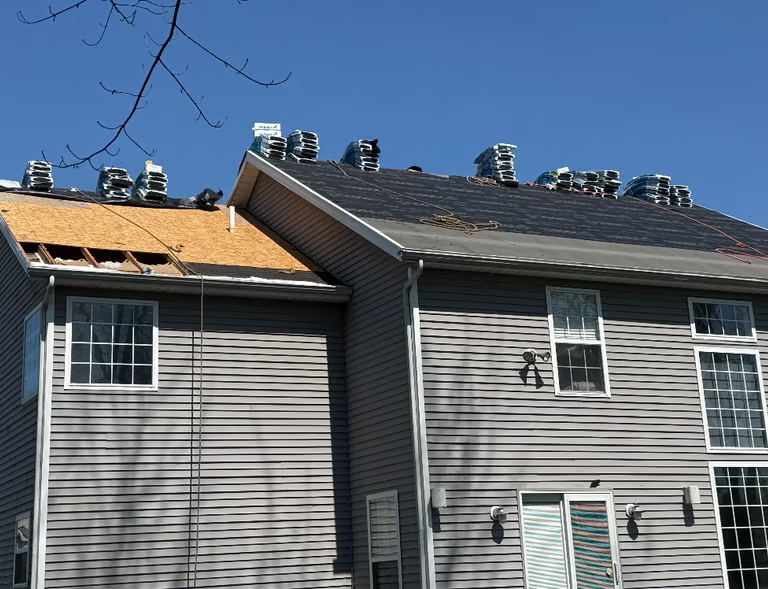
Heating is the part of the system responsible for keeping the home warm during colder months. In many homes, this is done with a furnace that burns natural gas, propane, or oil, or uses electricity to produce heat. The furnace heats air and then distributes it through ductwork into different rooms. Other homes may use boilers, heat pumps, radiant floor systems, electric baseboards, or other heating methods.
A furnace-based heating system typically includes a heat source, blower motor, ductwork, vents, air filter, and thermostat. When the thermostat senses that the indoor temperature has dropped below the set point, it signals the heating system to turn on. The system warms the air and circulates it through the home until the desired temperature is reached.
Heat pumps work differently. Instead of creating heat by burning fuel, they transfer heat from one place to another. In colder weather, a heat pump pulls heat from outdoor air and moves it indoors. In warmer weather, it can reverse the process and move heat out of the home. Because of this, heat pumps can provide both heating and cooling in many climates.
Heating performance is affected by more than just the equipment. Insulation, air sealing, windows, attic conditions, and ductwork all play major roles. If a home loses heat quickly, the heating system must work harder and run more often. This can lead to higher energy bills, uneven comfort, and added wear on the equipment.
Understanding the Ventilation Part of HVAC
Ventilation is one of the most overlooked parts of HVAC, but it is extremely important. Ventilation refers to the movement and exchange of air. It helps remove stale indoor air and replace it with fresher air. It also helps manage moisture, odors, smoke, and indoor pollutants.
There are different types of ventilation in a home. Natural ventilation happens when air moves through windows, doors, cracks, gaps, and other openings. Mechanical ventilation uses fans, ducts, vents, and specialized equipment to control airflow more intentionally. Exhaust fans in bathrooms and kitchens are common examples of mechanical ventilation.
Ventilation matters because modern homes are often built or improved to be more airtight. A tighter home can be more energy efficient, but it also needs proper airflow. If stale air cannot escape and fresh air cannot enter in a controlled way, indoor air quality may suffer. Moisture can also become a problem, especially in bathrooms, kitchens, laundry rooms, basements, and attics.
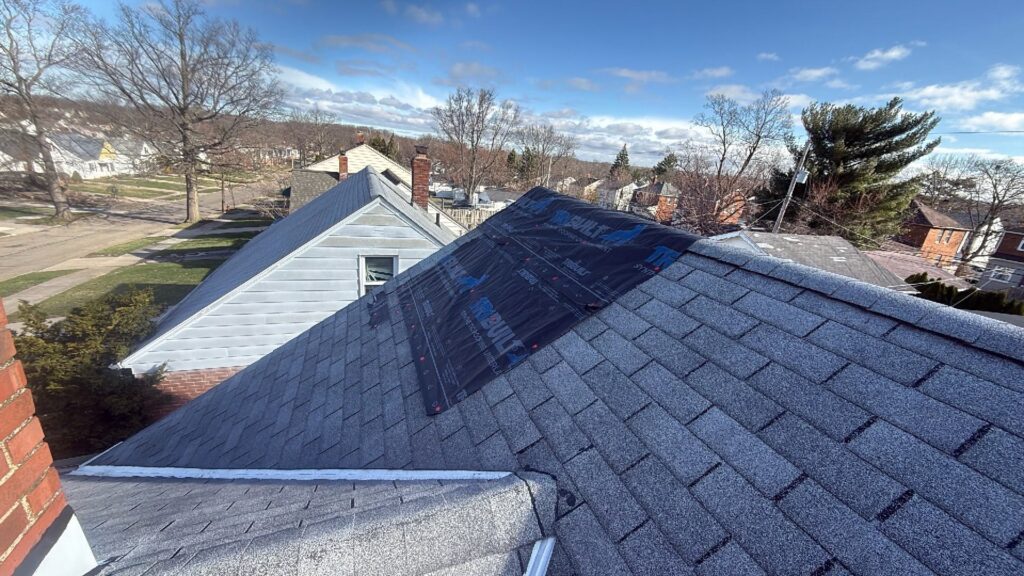
Attic ventilation is also important. Although attic ventilation is not the same as indoor HVAC ventilation, the two can affect overall home performance. A poorly ventilated attic can trap heat and moisture. In the summer, excessive attic heat can make cooling more difficult. In the winter, moisture buildup in the attic can contribute to condensation, mold, or roof deck problems. Proper roof and attic ventilation help support the larger goal of managing heat and moisture throughout the home.
When homeowners ask What is Heating Ventilation and Air Conditioning, ventilation deserves just as much attention as heating and cooling. It is not only about comfort. It is also about protecting the home from moisture problems and supporting healthier indoor air.
Understanding the Air Conditioning Part of HVAC
Air conditioning is the part of the system that cools the home during warm weather. A central air conditioning system usually includes an outdoor condenser unit, an indoor evaporator coil, refrigerant lines, a blower, ductwork, vents, and a thermostat. These components work together to remove heat from indoor air and release it outside.
An air conditioner does not simply create cold air. Instead, it removes heat from the air inside the home. Warm indoor air passes over the evaporator coil, where refrigerant absorbs heat. The cooled air is then circulated back through the home. The absorbed heat is carried outside and released through the condenser unit.
Air conditioning also helps remove some humidity from the air. This is important because humidity affects comfort. A home with high humidity can feel warmer than the thermostat reading suggests. It can also encourage mold growth, musty odors, and moisture issues. A properly sized and well-maintained air conditioning system can help control both temperature and humidity.
However, bigger is not always better. An oversized air conditioner may cool the home too quickly without running long enough to remove humidity properly. An undersized system may run constantly and still struggle to keep up. Proper sizing is an important part of HVAC design and installation.
Cooling performance is also affected by the condition of the home. Poor insulation, air leaks, aging ductwork, direct sun exposure, and attic heat can all make an air conditioner work harder. That is why home comfort often requires looking beyond the equipment itself.
How HVAC Systems Work Together
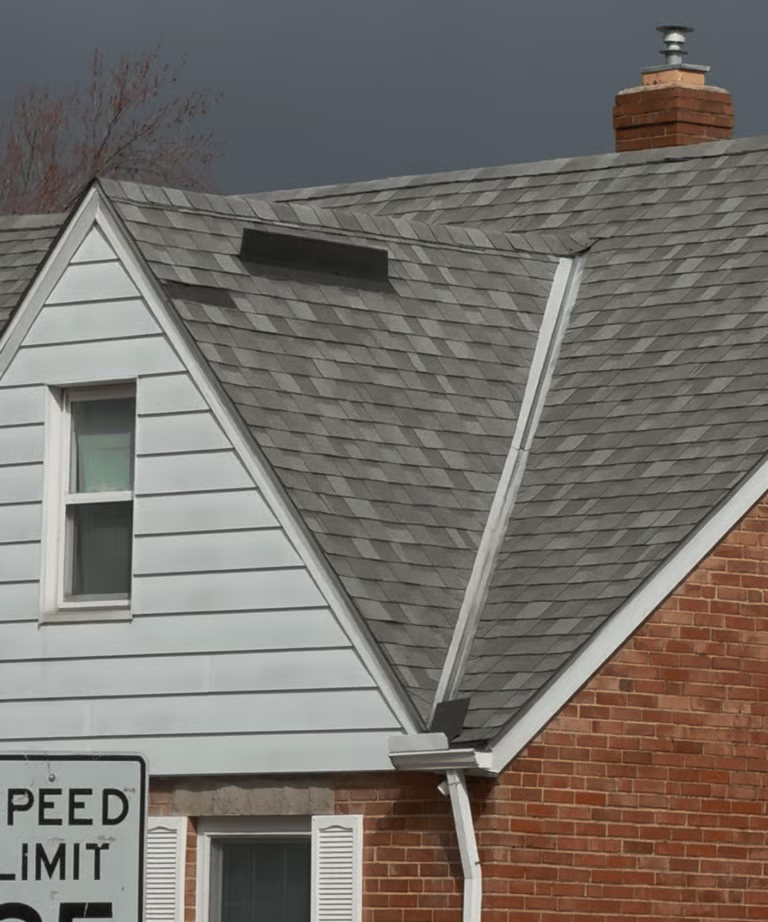
Heating, ventilation, and air conditioning are often discussed together because they all influence indoor comfort and air movement. The heating system controls warmth, the cooling system controls indoor temperature during hot weather, and the ventilation system helps manage airflow and air quality. In many homes, these systems share components, especially ductwork, thermostats, filters, and air handlers.
For example, a central furnace and central air conditioner may both use the same blower and duct system. During winter, the furnace heats the air and the blower distributes it. During summer, the air conditioner cools the air and the same ductwork carries it throughout the home. The thermostat controls when heating or cooling is needed.
Ventilation can be connected to this system or handled separately. Some homes use whole-home ventilation systems, while others rely on exhaust fans, attic ventilation, and natural airflow. The best approach depends on the age of the home, climate, building design, and indoor air quality needs.
The key point is that HVAC does not operate in isolation. It is part of a larger home performance system. Roofing, siding, insulation, windows, doors, attic ventilation, and air sealing all affect how well the home holds temperature and manages moisture. If one part of the system is weak, the HVAC equipment may have to work harder to compensate.
Why Indoor Air Quality Matters
Indoor air quality is an important part of heating, ventilation, and air conditioning. Many homeowners focus mainly on temperature, but the quality of the air inside the home also matters. Dust, pollen, pet dander, mold spores, smoke, cleaning chemicals, and excess humidity can all affect how comfortable and healthy a home feels.
Air filters are one of the most basic tools for supporting indoor air quality. They help capture particles before air moves through the HVAC system and back into living spaces. However, not all filters are the same. Some are designed mainly to protect equipment, while others capture smaller particles. A filter that is too restrictive for the system can reduce airflow, so homeowners should use the type recommended for their equipment.
Humidity control also matters. Air that is too dry can cause discomfort, dry skin, irritated sinuses, and static electricity. Air that is too humid can make the home feel sticky and may contribute to mold or mildew. HVAC systems can help manage humidity, but some homes may need additional equipment such as humidifiers, dehumidifiers, or improved ventilation.
Ventilation also helps remove stale air and bring in fresher air. This is especially important in homes that are tightly sealed for energy efficiency. A balance is needed. The home should not leak air uncontrollably, but it should have a reliable way to exchange air when needed.
Common HVAC Problems Homeowners Notice
Homeowners often become aware of HVAC issues when comfort changes. One room may feel much hotter or colder than the rest of the house. The system may run constantly, turn on and off too frequently, make unusual noises, or produce weak airflow from the vents. Energy bills may rise even though usage habits have not changed.
Uneven temperatures can be caused by duct problems, poor insulation, blocked vents, dirty filters, aging equipment, or poor airflow. A bedroom over a garage, a second-floor room under the attic, or a room with large windows may be harder to condition than other areas.
Weak airflow may be caused by a clogged filter, dirty blower, duct leaks, closed dampers, or undersized ductwork. If air cannot move properly, the system cannot heat or cool the home effectively. Poor airflow can also place stress on the equipment.
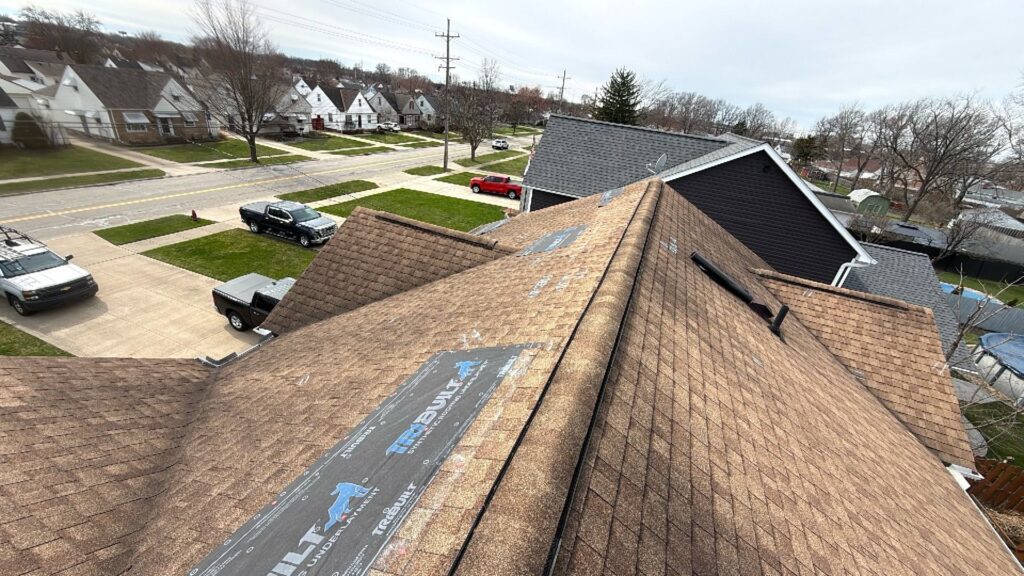
Moisture problems can also be related to HVAC or ventilation issues. Condensation on windows, musty smells, mold growth, damp insulation, or attic moisture may indicate that the home is not managing air and humidity properly. In some cases, roof leaks or attic ventilation problems can be mistaken for HVAC issues, which is why a full home evaluation may be important.
Understanding What is Heating Ventilation and Air Conditioning helps homeowners recognize that comfort problems may have more than one cause. The furnace or air conditioner may not be the only issue. The home’s envelope, attic, roof, insulation, and ventilation may all contribute.
Maintenance and System Efficiency
Routine maintenance helps HVAC systems operate more efficiently and last longer. A neglected system may lose performance over time, use more energy, and become more likely to break down. Simple maintenance steps can make a noticeable difference in comfort and reliability.
Filters should be checked and replaced regularly. A dirty filter restricts airflow and can cause the system to work harder. Outdoor air conditioning units should be kept clear of leaves, grass, dirt, and debris. Vents should remain open and unobstructed so air can circulate properly.
Professional maintenance is also important. Heating systems should be inspected for safe operation, proper combustion where applicable, electrical condition, airflow, and overall performance. Air conditioning systems should be checked for refrigerant issues, coil condition, drainage, and electrical components.
Ductwork should not be ignored. Leaky or poorly insulated ducts can waste heated or cooled air before it reaches the rooms of the home. Ducts running through attics, crawl spaces, or garages can be especially vulnerable to energy loss if they are not properly sealed and insulated.
Maintenance is not only about preventing breakdowns. It is also about protecting efficiency. A clean, properly functioning system can do its job with less strain, which can help reduce energy waste and improve indoor comfort.
The Connection Between HVAC, Roofing, and Attic Ventilation
Many homeowners do not realize how closely HVAC performance can be connected to the roof and attic. The attic sits between the living space and the roof system, and it plays a major role in heat and moisture control. If the attic is poorly insulated or poorly ventilated, the HVAC system may have to work harder.
In summer, roof surfaces absorb heat from the sun. That heat can build up in the attic. If the attic lacks proper ventilation, temperatures can rise significantly, making it harder for the home below to stay cool. This can place extra demand on the air conditioning system.
In winter, warm indoor air can leak into the attic through gaps around lights, ceiling penetrations, ductwork, and other openings. If that warm air carries moisture and meets cold surfaces, condensation can form. Over time, this may affect insulation, roof decking, and indoor air quality. Proper air sealing, insulation, and ventilation all help reduce this risk.
Roof ventilation systems, such as ridge vents, soffit vents, and other properly designed intake and exhaust systems, help regulate attic conditions. When roof ventilation is balanced, it allows air to move through the attic and helps reduce trapped heat and moisture. This does not replace HVAC, but it supports the overall performance of the home.
This is why the question What is Heating Ventilation and Air Conditioning can lead to a larger conversation about home performance. Comfort is not only controlled by the furnace or air conditioner. It is also influenced by the way the roof, attic, insulation, and ventilation systems work together.
When It May Be Time to Upgrade an HVAC System
Eventually, HVAC equipment reaches the end of its useful life. Even with good maintenance, furnaces, air conditioners, and heat pumps do not last forever. Homeowners may consider upgrading when repairs become frequent, energy bills continue rising, comfort is inconsistent, or the equipment is old and inefficient.
Newer HVAC systems often provide better efficiency than older models. However, replacing the equipment alone may not solve every comfort issue. If the home has poor insulation, attic heat problems, duct leaks, or ventilation concerns, a new system may still struggle. The best results often come from improving both the equipment and the home’s overall performance.
A professional evaluation can help determine whether the problem is the HVAC unit itself or something else affecting performance. For example, an air conditioner may seem inadequate when the real issue is insufficient attic insulation or excessive heat transfer. A furnace may seem weak when duct leaks are preventing warm air from reaching certain rooms.
Before investing in major equipment replacement, homeowners should consider the full picture. The most effective solution may include HVAC service, insulation improvements, air sealing, roof ventilation corrections, or a combination of upgrades.
Final Thoughts
What is Heating Ventilation and Air Conditioning? It is the system of heating, cooling, airflow, humidity control, and indoor air quality support that helps keep a home comfortable and livable throughout the year. Heating keeps the home warm during colder months, air conditioning removes heat during warmer months, and ventilation helps manage airflow, moisture, and stale indoor air.
A strong HVAC system is important, but it is only one part of home comfort. Roofing, attic ventilation, insulation, air sealing, and moisture control all influence how well the system performs. When these parts work together, the home can feel more consistent, efficient, and comfortable. When one part is neglected, the entire system may suffer.
Craft Roofing Services can help homeowners look at the bigger picture when comfort, ventilation, roofing, or attic concerns are affecting the home. Whether the issue involves roof ventilation, attic moisture, insulation-related performance, or exterior conditions that may be impacting comfort, working with an experienced team can help protect your home and support better long-term performance.